

Green light for EnBW battery energy storage system (BESS) at Philippsburg Energy Park
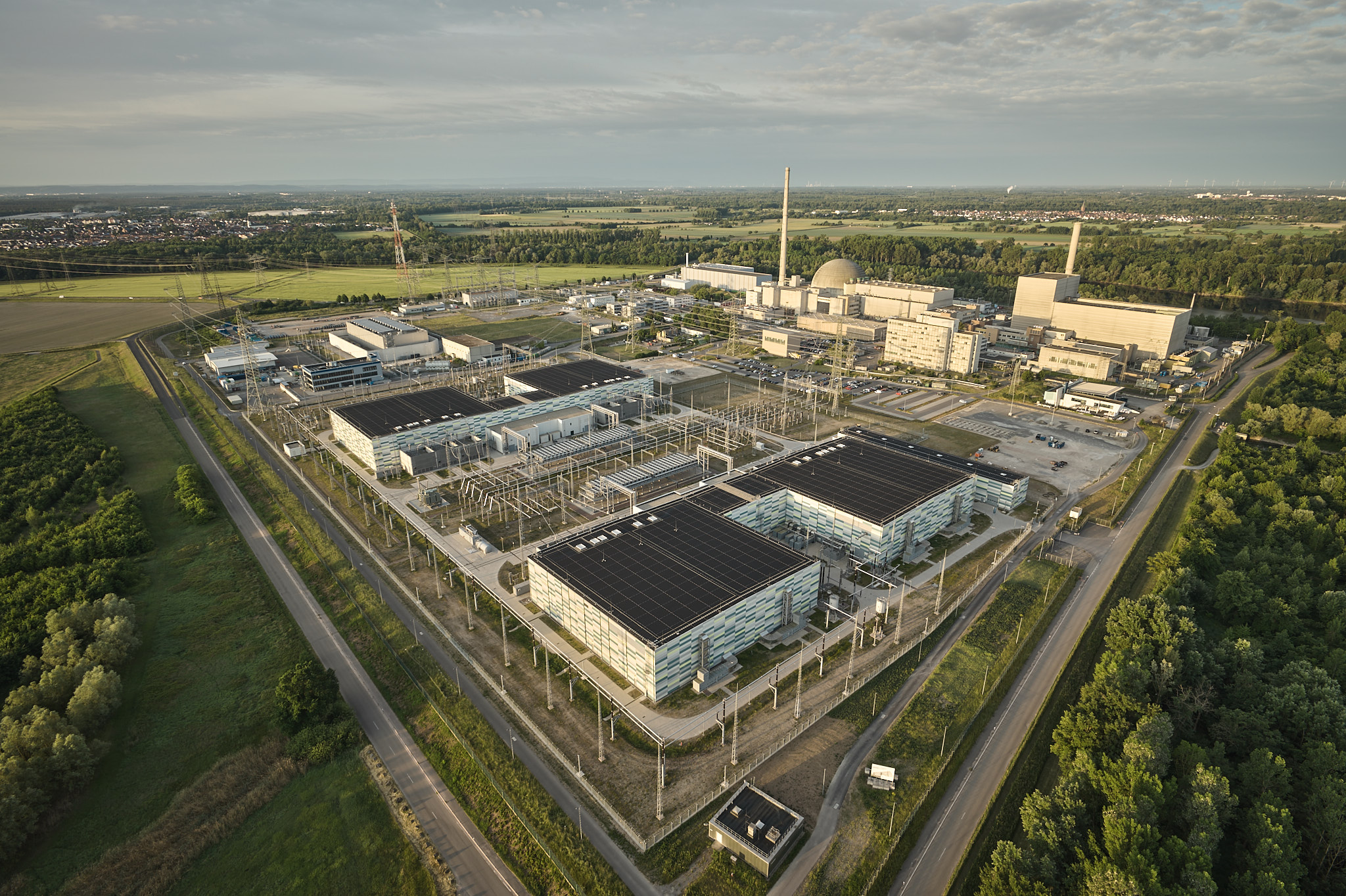
Karlsruhe/Philippsburg. EnBW Energie Baden-Württemberg AG (EnBW) has made the final investment decision for the planned battery energy storage system (BESS) at Philippsburg Energy Park. With a power capacity of 400 megawatts and an energy capacity of 800 megawatt-hours, the BESS will be one of largest in Germany and is to be built without any government subsidies.
Philippsburg is also the site of two nuclear power units that have been undergoing dismantling since 2017 and 2020 respectively. Transmission system operator TransnetBW has already built a large direct-current converter in an adjacent section of the energy park. As part of the new ULTRANET DC link, the converter will bring wind power from northern Germany to the southwest of the country.
BESS adds to energy system flexibility
“This investment decision is a key step in making our energy system more flexible. Battery energy storage systems are indispensable when it comes to balancing the fluctuating supply of wind and solar power with actual electricity demand. They are an ideal complement to hydrogen-ready gas-fired power plants, which are intended for longer deployments. The investment also boosts Philippsburg as a key energy hub,” said Peter Heydecker, Chief Operating Officer for Sustainable Generation Infrastructure at EnBW.
EnBW plans to start building the BESS from early summer 2026. It is expected to be operational by the end of 2027. The BESS can provide enough electricity to power around 100,000 homes. It is to be financed out of revenues from sales of electricity and grid services that ensure the grid operates reliably and that electricity supplies are guaranteed at all times.
About EnBW Energie Baden-Württemberg AG
With a workforce of some 30,000 employees, EnBW is one of the largest energy supply companies in Germany and Europe. Providing energy to some 5.5 million customers, EnBW serves all stages of the value chain, from generation and trading to grid operation and the sale of electricity, heat energy and gas. In the company’s transformation from a traditional energy provider to a sustainable infrastructure group, the expansion of renewable energy sources and of the distribution and transportation grids for electricity and gas, including hydrogen, are cornerstones of EnBW’s growth strategy and the focus of its investment spending. EnBW plans to invest up to €50 billion by 2030, around 85 percent of which will be in Germany. By then, renewables are planned to account for around 80% of the EnBW generation portfolio, with coal to be phased out by the end of 2028 provided conditions allow. These are key milestones on the way to net zero for the company’s own greenhouse gas emissions by 2040. EnBW image campaign: Unsere Energie Bewegt Was.